Design Your Own City Adventures: Routes that Blend Street Art, Architecture, and Food

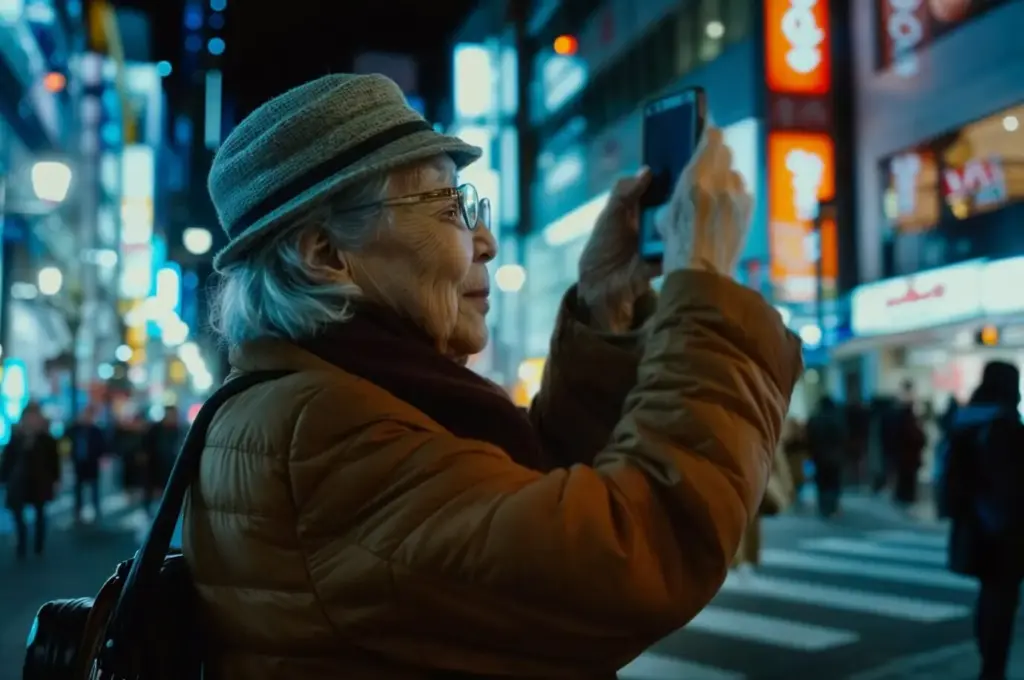
Today we dive into building personalized map routes for urban explorations that spotlight street art, architecture, and food, turning casual strolls into meaningful discoveries shaped by your tastes, time, budget, and curiosity. Expect practical tools, narrative design, and real-world advice that help you plan confidently, photograph beautifully, eat memorably, and share responsibly. Join the conversation, subscribe for fresh route ideas, and tell us what you’d love to see mapped next.

Start with Curiosity: Pinpoint What Moves You

Interest Mapping

Create a playful worksheet noting mural styles you adore, architectural eras that fascinate you, and cuisines that warm your heart. Add constraints like dietary needs and budget. Note the hours you feel most energetic. These insights become route anchors, guiding how long to spend at each stop, what detours are worth it, and which neighborhoods invite unexpected wonder without exhausting your feet or dulling your appetite for surprise.

Constraints that Spark Creativity

Constraints sharpen decisions and amplify delight. Short on time? Cluster close-by murals, a singular iconic building, and one unforgettable snack. Traveling with kids or elders? Prioritize benches, shade, and accessible paths. Night owl? Choose well-lit corridors and late-serving kitchens. Turn limits into lenses: smaller areas yield denser stories, while clear dietary preferences lead to gems you might otherwise miss. Constraints protect energy, focus attention, and elevate every carefully chosen stop.

Combining Threads into One Walkable Plan

Sketch a path where a mural’s color palette echoes the tiles of a nearby building and the spice blend at a tucked-away café. Seek logical handoffs: finish art gazing where architectural lines begin, then refuel steps away with something restorative. Keep transitions short. Celebrate variety while maintaining continuity. The resulting flow reduces logistical friction and heightens the feeling that each moment naturally invites the next, like chapters in a favorite city story.

Tools and Data: From Sketch to Smart Map

Turn ideas into navigable clarity using dependable mapping platforms and curated data. Mix basemaps with layers for murals, heritage buildings, and food stops, then tag each marker with notes, hours, and accessibility tips. Explore municipal open data, arts registries, historical society records, and trustworthy food sources. Add your own reviews, photos, and reminders for lighting, queues, and restrooms. A living map evolves with each walk, preserving lessons, shortcuts, and delightful micro-discoveries.

Routecraft: Flow, Timing, and Delight

Design the sequence with human energy in mind. Cluster stops to minimize fatigue and choreograph breaks where conversation feels natural. Consider lighting for photographs, crowds for comfort, and opening hours for reliability. Build buffers for unexpected treasures. Alternate intense visual moments with palate-cleansing snacks. Highlight scenic connectors—alleys, courtyards, river paths—that enrich movement between pins. A route crafted this way feels caring, generous, and alive, guiding you without ever dictating your curiosity or pace.

Storytelling the City: Narrative Arcs on Foot

Make your walk a story where artists, architects, and cooks become characters. Link a mural’s protest to a civic plaza’s design and a bakery’s legacy recipe. Use sensory cues—color, texture, aroma—to stitch memories. Introduce a conflict, like a contested landmark, then resolve it with a community success. Anecdotes cement learning: a chef’s grandmother’s spice jar, an architect’s salvaged stone. When the route reads like a narrative, the city speaks and people lean in.
Open with a welcoming square or a quiet alley that eases everyone into the pace. Share a short origin tale about a neighborhood’s growth or a muralist’s first commission. Invite companions to guess what they’ll taste later. Plant gentle foreshadowing through color themes and materials. This establishes tone, invites participation, and gives newcomers the confidence to look closely, ask questions, and become co-authors of every corner turned and crumb shared along the way.
Craft moves between stops with connective tissue: a repeating motif, a skyline view, or a shared artisan technique. Explain why a brick pattern matters at the next site or how an alley reveals a kitchen’s delivery rhythm. Transitions reduce whiplash and sharpen attention, helping everyone understand that the walk is not a checklist but a conversation across disciplines, blocks, and decades. Good transitions transform logistics into meaning, and meaning into memories that stick beautifully.
Carry a pocketful of brief, true stories. Perhaps a mural saved by neighbors who repainted it after a storm, or a baker who learned to temper chocolate from a retired engineer next door. Human-scale tales anchor facts, invite empathy, and spark discussion. They turn surfaces into relationships. Encourage participants to share their own food rituals or building favorites, and suddenly the route becomes communal, layered, and joyfully unpredictable, just like the best city days.

Test, Measure, Iterate

Great routes mature through trial. Do a dry run, time segments, and note where conversation naturally blossoms or wanes. Track crowd patterns, closures, and detours. Invite a friend with different needs to co-walk. Adjust pins, pacing, and descriptions. Measure not just speed, but smiles, photos taken, and appetite satisfied. A second pass trims friction, strengthens storytelling, and future-proofs details like restrooms and refills. Iteration turns a good plan into a trusted companion.

Field Check

Walk your map with a pen and curiosity. Confirm mural conditions, construction barriers, and opening hours. Test photo angles and microphone levels if recording. Note smells, sounds, and seating. Replace overly long connectors with scenic alleys. Record exact walking times rather than estimates. Small verifications prevent big disappointments. Field checks reveal hidden strengths—a welcoming shopkeeper, an unexpected view—and expose weak links you can easily repair before inviting others to follow your steps.

Feedback Loops

Share a draft route with friends or subscribers, inviting candid notes on accessibility, clarity, and delight. Ask what felt confusing, rushed, or repetitive. Offer a simple form and reward thoughtful suggestions with a shout-out. Listen for patterns, not outliers. Incorporate insights quickly while documenting changes in map notes. Feedback co-creates ownership, making future walkers feel invested and respected, and transforming your map from a solo project into a collaborative city love letter.

Share, Engage, and Explore Responsibly

Publish your route with clear credits for artists, architects, and eateries. Provide map links, GPX files, and printable summaries. Include etiquette: buy something if you linger, ask before photographing people, and never obstruct doorways. Promote leave-no-trace principles. Encourage donations to community arts and preservation groups. Invite readers to submit favorite spots, accessibility notes, and seasonal updates. Subscribe for new routes, share stories from your walk, and help keep local culture celebrated and respected.

Community Contribution

Offer a simple submission form where readers can add new murals, heritage details, or beloved street foods. Curate carefully and verify before publishing. Celebrate contributors by name. Host occasional group walks to meet neighbors and learn directly from artists or staff. Community energy keeps the map fresh, accurate, and alive. When many hands and hearts shape it, the project becomes a shared archive of city memory rather than a static list of stops.

Respect for Artists, Builders, and Cooks

Acknowledge creators with proper attribution, links, and context. Avoid sharing exact locations for fragile works that could be harmed by overexposure. Do not touch sensitive surfaces or block entrances. Buy what you can, tip kindly, and thank staff. Respect quiet hours and private property. Responsible attention sustains the places we admire, ensuring that tomorrow’s walkers encounter vibrant walls, sturdy façades, and kitchens that welcome curious guests with warmth rather than weary caution.

Accessibility and Inclusion

Design with diverse bodies, budgets, and sensory needs in mind. Flag steep grades, cobblestones, and narrow doors. Highlight step-free options, quiet seating, and safe restrooms. Share alternate transit hops, stroller-friendly detours, and dairy-free or halal choices. Invite feedback from disabled travelers and parents. Inclusion deepens authenticity, expands community, and transforms your map from a personal guide into a genuinely welcoming pathway where more people can savor art, structures, and flavors together.

Nokofakenafolozi
Privacy Overview

This website uses cookies so that we can provide you with the best user experience possible. Cookie information is stored in your browser and performs functions such as recognising you when you return to our website and helping our team to understand which sections of the website you find most interesting and useful.