Wander Smarter: Craft Your Own City Adventures with Intelligent Maps


Today we explore Smart Maps for DIY City Tours, showing how data-rich layers, context-aware routing, and playful design can turn any walk into a memorable discovery. You will learn to combine open datasets, personal interests, and local stories into reliable routes that adapt to time, weather, mobility, and mood. Join in, share your favorite tools, and subscribe to keep receiving hands-on guides, inspiring itineraries, and real-world tips from curious explorers who map cities with heart and curiosity.

Context-Aware Navigation Explained

Context-aware navigation blends location, time, weather, crowd density, and accessibility constraints to suggest choices that match your goals. Instead of a single fastest path, it prioritizes shaded streets at noon, well-lit sidewalks at night, and quieter lanes when you crave reflection. By tuning preferences, your map becomes a considerate companion.

Choosing the Right Map Platform

Compare flexible options like MapLibre, Mapbox, Google Maps, Organic Maps, and QGIS-based exports to fit your comfort level and budget. Consider offline capabilities, custom styling, data import formats, and community support. Start simple, iterate weekly, and document every decision so future you can reproduce, share, and improve.

Essential Data Layers to Include

Blend authoritative basemaps with open civic datasets: sidewalks, curb ramps, bike lanes, public art, trees, drinking fountains, restrooms, seating, and shade. Add qualitative notes from locals about noise, friendliness, or weekend closures. Tag sources and timestamps, enabling validation, versioning, and thoughtful rollbacks when facts inevitably change.

Designing Routes that Tell a Story

A walk becomes unforgettable when every step serves a narrative arc. Use contrasts—old and new, grand avenues and narrow alleys, sunlit plazas and cool courtyards—to sculpt emotion and pace. Smart maps let you weave micro-histories, sensory cues, and conversation prompts into waypoints. Invite companions to leave voice notes, photographs, or sketches, then iterate together. Subscriber submissions will routinely shape new experiments and collaborative, citywide playlists of meaningful strolls.

Collecting Points of Interest with Purpose

Avoid dumping endless pins. Curate scenes that sustain attention: a bakery with a generational recipe, a mural with contested origins, a courtyard echoing afternoon violin practice. Record why each stop matters, how long to linger, and what to notice. Include accessibility notes, nearby facilities, and respectful photography guidance.

Sequencing Stops for Rhythm

Think like a composer. Alternate vivid bursts with quiet rests, ensuring nearby seating or shade after energetic climbs. Cluster locations to reduce fatigue, but introduce occasional leaps that delight. Let public transit fill strategic gaps. Build optional branches for energetic companions and gentle detours for reflective moods or mobility needs.

Balancing Serendipity and Guidance

Great tours leave space for surprise. Use soft anchors—time windows, must-see highlights, and safe corridors—while encouraging detours toward music, scents, or laughter drifting from a side street. Provide recoverable landmarks and rejoin points, so wandering never feels risky. Celebrate unplanned discoveries by inviting notes and photos for future map updates.

Offline Reliability and Battery-Savvy Tactics

Preparing Offline Packs and Tiles

Export only necessary zoom levels, neighborhoods, and layers to reduce file size without losing clarity. Vector tiles compress well, but confirm typography legibility at small scales. Name files consistently across devices. Store backups in cloud folders and on a tiny USB-C drive for quick recovery after inevitable mishaps or app resets.

Power Management on Long Days

Adopt practical habits: cap screen brightness, disable background sync, and prefer GPS-only modes when accuracy suffices. Carry a lightweight battery bank and short cables. Schedule café breaks for charging and journaling. Encourage your group to stagger devices, so at least one navigator remains fresh during unexpected street festivals or transit disruptions.

Resilient Navigation in Dense Urban Canyons

Skyscrapers and narrow streets can wobble signals. Combine compass calibration, dead reckoning, and visual references like murals, kiosks, or corner cafés. Pre-mark safe meet-up points and transit nodes. If precision fails, switch to step-by-step directions using landmarks. Communicate clearly with companions and pause rather than push through mounting uncertainty.

Accessibility, Safety, and Inclusivity by Design

Careful mapping turns wanderings into welcoming experiences for many bodies and minds. Include curb cuts, elevator locations, step counts, slope grades, restroom availability, lighting quality, and quiet refuges. Consider reading levels, translation, and audio prompts. Invite feedback from wheelchair users, parents with strollers, elders, and neurodivergent friends. Regularly revise routes as construction, traffic, seasons, and community needs evolve, and celebrate contributions that make streets fairer and friendlier for everyone exploring with trust.

Creating Lightweight Quests Without Clutter

Design tasks that fit into natural pauses: a sketch while resting, a short oral history recording, or locating a hidden detail in a mural. Avoid constant phone checks by batching prompts. Offer alternatives for kids, elders, and solo travelers, respecting energy, privacy, and different comfort levels across cultures.

Reward Loops that Respect Place and People
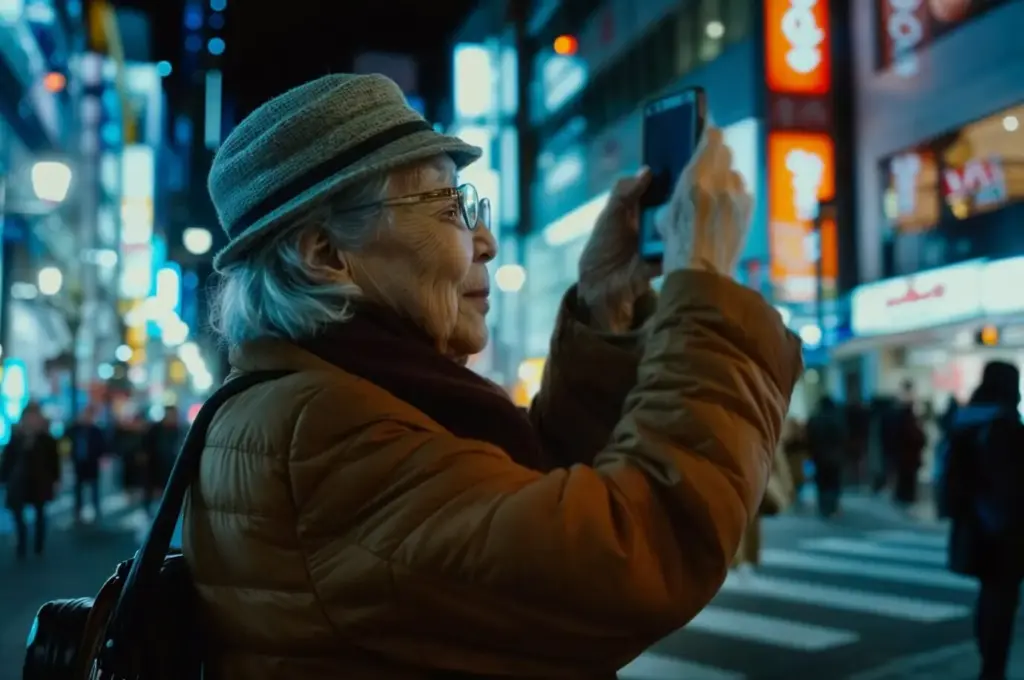
Let rewards encourage stewardship: a digital badge unlocked by picking up litter, crediting an artist, or supporting a community kitchen. Keep data minimal and consent explicit. Celebrate teams that pause to listen to residents. Replace leaderboards with gratitude walls that showcase helpful notes, translations, or accessibility improvements contributed by walkers.

Social Sharing that Sparks Care

Sharing should uplift neighborhoods rather than overexpose them. Encourage delayed posting, location fuzzing, and highlighting local guidelines. Provide tips for crediting creators and buying from small businesses. Create opt-out mechanisms for sensitive sites. Celebrate stories of reciprocity, volunteering, and quiet maintenance that sustain streets beyond the excitement of discovery.

Privacy, Ethics, and Data Stewardship

Keeping trust at the center ensures everyone feels welcome. Map with consent, minimize personal identifiers, and avoid publishing sensitive residences, shelters, or sacred spaces. Attribute datasets clearly and honor licenses. Consider young walkers’ safety when sharing public routes. Explain data retention and deletion. Invite accountability: publish contact details, respond kindly, and correct mistakes visibly, treating every edit as a chance to build community confidence.
Nokofakenafolozi
Privacy Overview

This website uses cookies so that we can provide you with the best user experience possible. Cookie information is stored in your browser and performs functions such as recognising you when you return to our website and helping our team to understand which sections of the website you find most interesting and useful.